Not About You

Context
Not About You sits in a different pocket than my other tracks — less dance, more bass forward. Existential and dark, a song about a tense conversation in a new relationship where one person needs space and the other is struggling to accept it.
The Story
This song sounds existential. The sky is dark and cracking open, your whole world is being torn apart because you’re in the middle of an intense fight in a new relationship.
Attachment theory plays a role in this song. There are different kinds of attachment — secure and insecure — and psychologists think this is formed when we’re very young, under the age of three. About half the population has secure attachment, the other half has some sort of insecure attachment. There’s a really common pairing in relationships: avoidant (insecure attachment) and anxious (insecure attachment). The anxiously attached person needs the other person’s attention and seeks it out. The avoidant person often needs distance, space, and more independence. It creates this push-pull dynamic.
The people in this song are in an intense discussion. One person needs space, and the other person is having trouble accepting that. There’s reassurance in the song:
“If you want to stay together, give this to me. You’re my favorite person ever, don’t worry baby.” The main hook is “not about you.”
What Worked
Not About You ended up being bass forward. I was experimenting with synthesizer patches outside of my norm, and I picked 3 layered bass patches early in production and finished the song around them.
I found this Onion patch in Pigments (software synthesizer) that really contributed to the feel of the song. It’s based on a square wave, but what makes it great is that it slides into the note — there’s movement at the very beginning. I ended up using it for chords in the verse and as the lead melody after the chorus.
I also really liked having multiple simple verses that complement each other, rotating through them instead of new lyrics. The song sounds focused. For the second verse, instead of writing a completely new verse I just added lower counter-melodies that added emotionally to the story:
“nothing you did”
“keep it hid”
“patterns i can’t fix”
Repeating “not about you” ended up working really well as a hook — simple and effective.
Production Hurdles
In the first session I added a new sound for the lead melody part after the chorus. I used a piano with some delay on it — I often try to pick two different, complementary patches and pan them to either side of center to create a more interesting sound.
When I came back to the song, I didn’t like the lead part. It was ok, but it was the weakest part of the production.
Saturday Morning taught me that simplicity is a very effective strategy. When I revisited the track I spent the most time reworking the melody line. I came home from jujutsu around 10pm. I usually have a rule about starting music projects late, but I couldn’t help myself — I really wanted to get this track done. It was the fourth in a batch I was preparing to release, and it felt close.
So I spent hours trying different patches and experimenting with melody tweaks. It was incremental progress bouncing between switching patches and changing the notes. They kept sounding a little out of place with the rest of the song.
This is a little bit against my production philosophy of ship it fast and don’t be too perfectionistic. But it paid off this time. There’s a voice in my head that says “don’t let it be”, but I try to balance it with completing work. When I listen to tracks days or weeks later, I make my production notes for studio session two and usually that’s enough. Once those are done, I mentally lock the song and let it be done.
The fix ended up being this synth patch called “Onion” that had some movement to it and fit into the song — I was already using it for chords in the second part of the verse (“if you want to stay together / give this to me”). Simplifying was the right move. It immediately clicked and felt much better.
I also simplified the melody so it matched what the bass was doing — reinforced it while adding a little bit of new melody. Then when it repeated, I pitched it up an octave, which gave it some movement.
Clearing the Bass Mud
I have three bass synth patches stacked:
- Sub bass — the foundation
- Middle growl bass — the dirt
- Top bass — sweeps and movement
Stacking three basses creates a muddy mix in the low end. To fix it, I did a couple things.
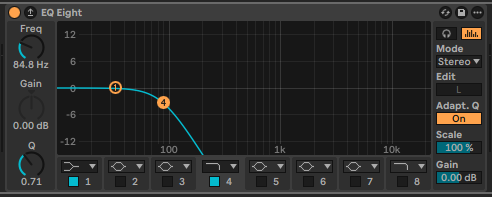
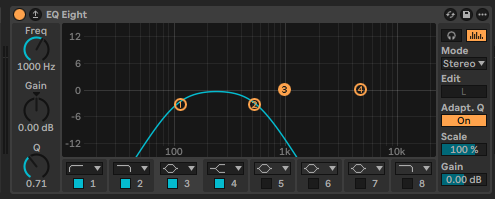
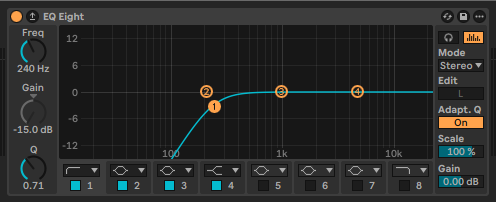
First, I sculpted with EQ so each bass had its own frequency range:
Sub bass: only frequencies under 80 Hz
Growl bass: middle bass frequencies (100–500 Hz)
Top bass: high end bass frequencies (240 Hz and up) — some overlap sounded ok
I also sidechained the bass bus (group of the 3 basses) to the Kick / 808 so they would duck each other. This technique helps clear out the mud so tracks in the same frequency range can play well together without creating interference.
One Thing Learned
Simplify is a good strategy (carried over from Saturday Morning): The Onion patch was already in the song doing chord work. Using it for the melody too tied everything together.
Production philosophies are guides, but only your gut can tell you when the track is done. There is a balance between perfectionism and continuing to improve until it hits the right quality level.
🩷 Ben
Coming to streaming soon
[Not About You lyrics]
I need to spend some time alone
(nothing you did)feeling swelling til it’s overblown
(keep it hid)there’s a darkness I’ve been runnin’ from
(patterns i can’t fix)If you want to stay together
give this to me
You’re my favorite person ever
don’t worry babynot about you
not about you